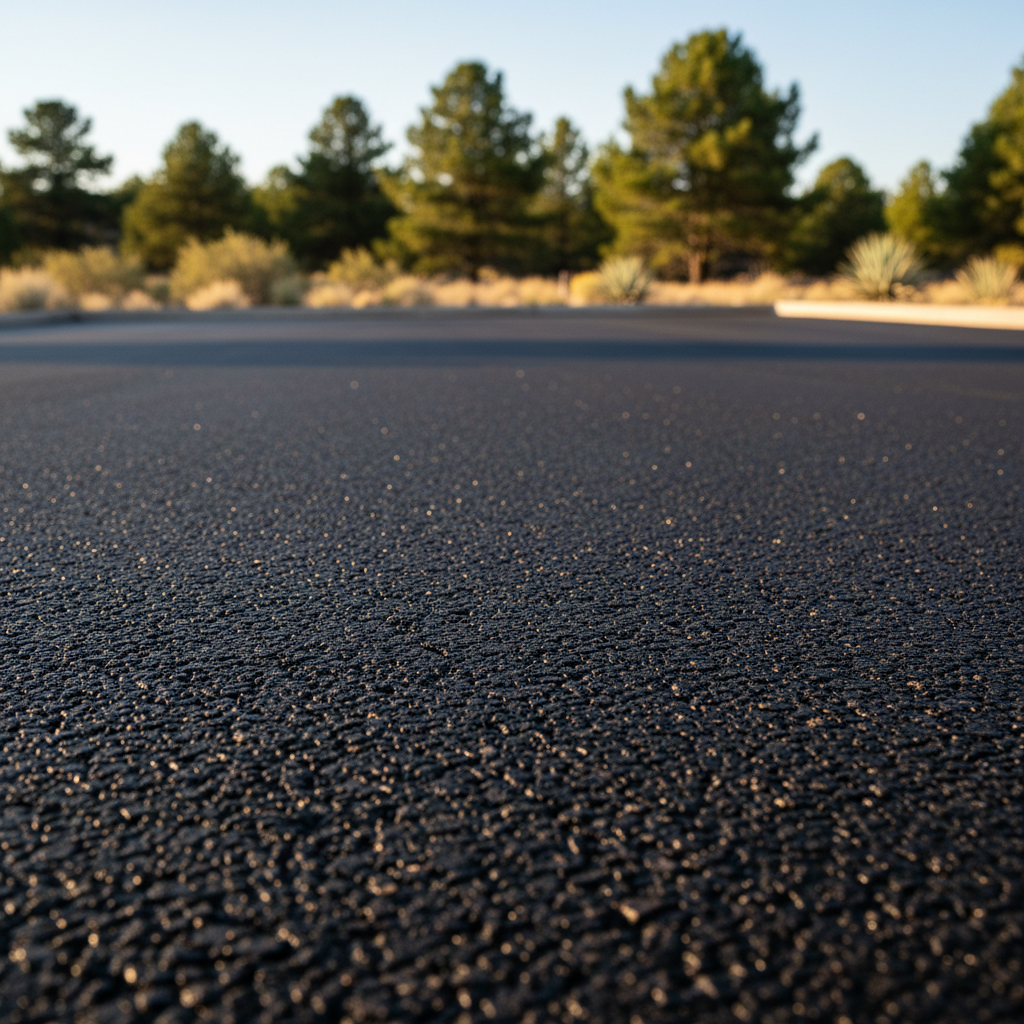
Alright, so you're looking at that gravel patch or maybe just a section of dirt next to your garage and thinking, 'You know what? A proper paved parking area would be a game-changer.' I hear you. It adds value, convenience, and honestly, just looks a whole lot better than a muddy mess after a good monsoon. But where do you even start with a parking lot paving project for your home?
Before You Start: Planning & Prep
First things first, you've got to figure out what you're working with. Is it a brand new area you're developing, or are you replacing an old, cracked-up slab? This makes a big difference. If it's a new area, you'll need to think about drainage. We get some serious snowmelt and rain up here in Flagstaff, and you don't want water pooling up against your foundation or turning your new parking area into a pond. Slope is critical – even a slight grade will direct water away. You can often eyeball this, but for anything significant, a professional can certainly help with grading plans.
Next, consider the size and how you'll use it. Is it just for a couple of cars, or do you have an RV or heavy equipment you'll be parking there? That impacts the base material and asphalt thickness. A standard residential parking pad might be fine with 2-3 inches of asphalt on a good base, but heavier loads will need more, naturally.
DIY vs. Pro: The Groundwork
Can you do some of the prep yourself? Absolutely. Clearing the area, removing vegetation, and even some basic excavation can be a DIY job if you're comfortable with a shovel or renting some equipment. Digging out a few inches of topsoil is manageable. But here's where I'd draw the line: subgrade preparation. This is the foundation of your foundation, and it's where most DIY paving projects go wrong.
You need a stable, well-compacted subgrade. If you've got that tricky Coconino soil that's a mix of clay and volcanic rock, getting it properly compacted and stable requires heavy equipment and experience. If your subgrade isn't right, your asphalt will crack and fail prematurely, no matter how good the paving job itself is. For anything beyond simple clearing, call a pro. We've got the machinery to get that base solid as a rock.
During the Project: Laying the Asphalt
Once the subgrade is ready, you'll need a good aggregate base – typically crushed rock. This layer adds strength and helps with drainage. Again, proper compaction is key here. You can rent plate compactors for smaller jobs, but for a true parking lot, you're looking at vibratory rollers, which are big, heavy, and require some skill to operate effectively.
The Asphalt Itself: Don't DIY This Part
This is where you absolutely, positively need to call in the professionals. Asphalt paving isn't like laying concrete pavers. It requires specialized equipment to heat, transport, lay, and compact the hot mix asphalt at specific temperatures. You're talking about pavers, rollers, and highly trained crews. Trying to DIY asphalt paving will lead to an uneven, poorly compacted surface that won't last a single Flagstaff winter. You'll end up with potholes, cracks, and a huge headache. This is what Flagstaff Asphalt Construction does every day, and we've got the equipment and expertise to do it right.
We know the right mix for our climate, how to handle the temperature drops, and how to get that perfect, smooth finish that drains well and stands up to the elements.
After the Project: Care & Maintenance
So, you've got your beautiful new parking area. Now what? The first thing is patience. Don't drive on it immediately. Hot mix asphalt needs time to cure and harden. Your contractor will give you specific instructions, but usually, it's 24-72 hours before light traffic, and maybe a week or more before heavy vehicles. Avoid parking in the exact same spot every day for the first few weeks, especially if it's hot out; the asphalt is still a bit pliable.
Long-Term Care
- Keep it clean: Sweep off dirt, leaves, and debris regularly. This prevents organic matter from breaking down on the surface and keeps water from sitting in puddles.
- Sealcoating: This is huge for extending the life of your asphalt. I recommend sealcoating every 2-3 years, depending on traffic and sun exposure. It protects against UV rays, water penetration, and spills. Think of it like sunscreen for your asphalt.
- Crack Repair: If you see small cracks forming, address them quickly. Fill them with an asphalt crack filler. This stops water from getting underneath and eroding the base, which is what leads to bigger problems like potholes.
- Watch for Oil Spills: Clean up any oil or gas spills immediately. Petroleum products dissolve asphalt binders, causing the surface to soften and deteriorate.
A well-paved and maintained parking area can last 15-20 years, sometimes even longer, especially if you're diligent with the sealcoating and crack filling. It's an investment, for sure, but a smart one that pays off in convenience and curb appeal for your Flagstaff home.