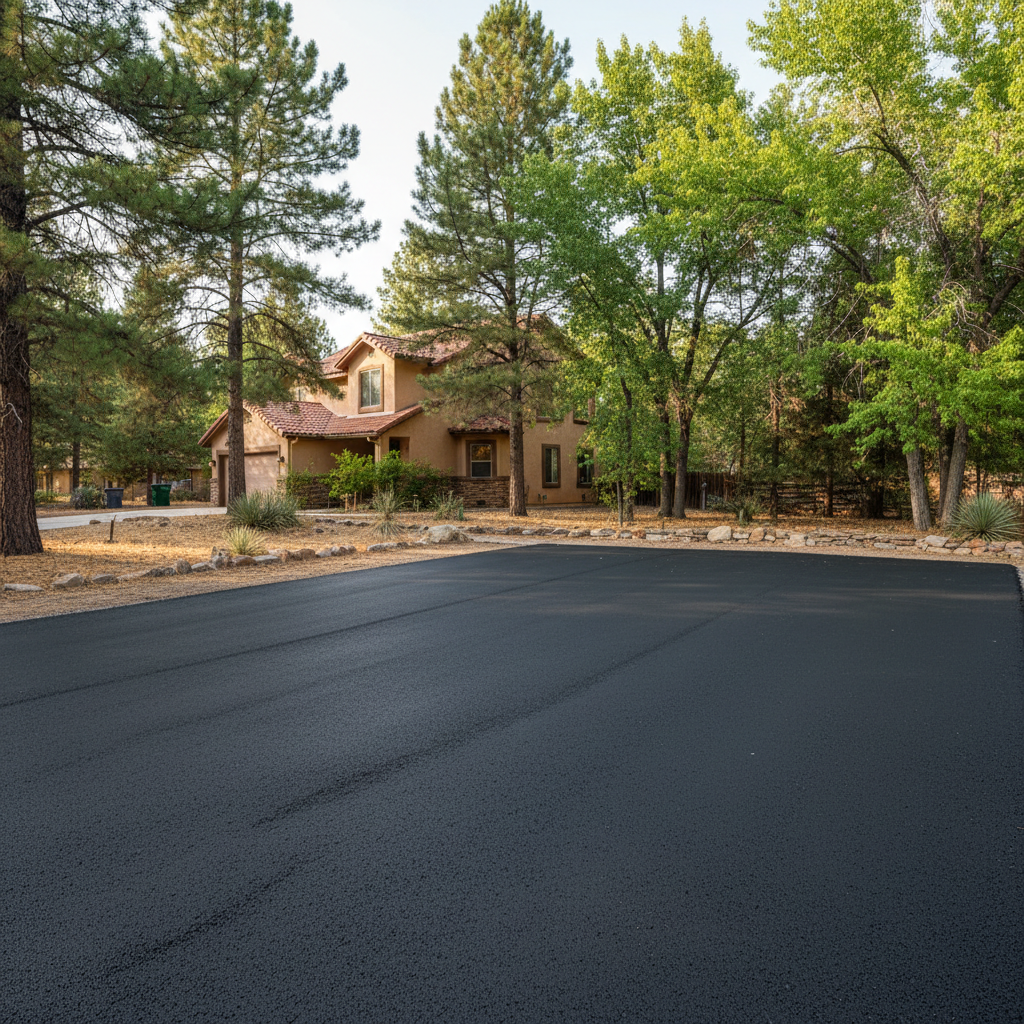
What's the Deal with Parking Lot Paving Costs in Flagstaff?
Alright, let's talk brass tacks about parking lot paving here in Flagstaff. If you're running a business, managing a property, or overseeing a development, you know a good parking lot isn't just a convenience. It's part of your curb appeal, your safety plan, and how your whole operation runs. But what's it actually going to cost you to get a new one laid down, or an old one completely redone? That's not a simple question, but I can give you a solid breakdown of what to expect.
First off, forget those national averages you might see online. Flagstaff has its own unique challenges and costs, believe me. Our freeze-thaw cycles are brutal on asphalt, which means we often need tougher base layers and specific materials. Plus, getting materials up here isn't always cheap, and labor costs reflect the local economy. So, when I give you numbers, know they're tailored for our neck of the woods.
Factors That Drive Your Paving Price Tag
You want to know what affects the price? A lot of things, actually. Here are the big ones:
Size and Scope: This is probably the most obvious factor. A small lot for a boutique shop is way different from a massive one for a shopping center. We measure in square feet, and the bigger the area, the more material and labor needed. Simple math, right?
Existing Conditions: Is it a brand-new lot on virgin ground? Or are we tearing out an old, crumbling asphalt lot? Full excavation and removal of old material adds significantly to the cost. If the sub-base is unstable – which can happen with some of our volcanic soils around here – we might need to do extra work to stabilize it before we even think about laying asphalt.
Depth of Asphalt: Commercial parking lots typically need a thicker asphalt layer than, say, a residential driveway. We're talking 3-4 inches of asphalt on a properly prepared base for most commercial applications. That's to handle heavier vehicles and constant traffic. Thicker asphalt means more material, more passes with the paver, and, well, more cost.
Base Material: This is crucial, especially with our winters. A strong, well-compacted aggregate base (often 6-12 inches deep) prevents cracking and potholes. The type and amount of base material, along with the compaction required, will impact the price.
Drainage: Proper drainage is non-negotiable. If water sits on your lot, it's going to destroy the asphalt fast. This might involve grading, catch basins, or even more complex storm drain systems. Any earthwork or drainage infrastructure adds to the project cost.
Striping and Markings: Once the asphalt is down, you need lines, arrows, handicap symbols, and signage. This is usually a separate line item, but it's part of the complete parking lot package.
Accessibility and Site Prep: Is the site easy to get equipment into? Are there existing utilities we need to work around? Any trees to clear or old concrete to remove? All these factors can add to the prep work and therefore the cost.
Typical Cost Ranges for Parking Lot Paving in Flagstaff
Okay, let's get down to some numbers. Again, these are ranges, and your specific project will fall somewhere within them based on the factors above. These figures are for new construction or full tear-out and replacement, not just an overlay.
For a standard commercial parking lot (say, 3-4 inches of asphalt over a solid 6-8 inch aggregate base), you're generally looking at $3.50 to $7.00 per square foot. This includes excavation, grading, base material, asphalt paving, and compaction.
A smaller lot (under 5,000 sq ft) might be on the higher end of that range per square foot. Why? Because fixed costs like mobilization get spread over a smaller area.
Larger lots (over 20,000 sq ft) can sometimes dip towards the lower end of that range per square foot due to economies of scale.
Striping and markings typically run an additional $0.15 to $0.35 per square foot. Or sometimes it's quoted per stall or linear foot for lines.
If you need significant earthwork, extensive drainage, or complex site preparation, those costs can add another $1.00 to $3.00+ per square foot, depending on the complexity.
So, for a 10,000 square foot parking lot, you could be looking at anywhere from $35,000 to $70,000 for the paving itself, plus striping and any significant prep work.
What's Included in a Good Quote?
When you get a quote from Flagstaff Asphalt Construction (or any reputable company), make sure it's detailed. It should clearly outline:
Site Preparation: What's being removed? What's being graded?
Base Material: Type, depth, and compaction specs.
Asphalt: Number of layers, total thickness, and type of mix (e.g., dense-graded hot mix asphalt).
Drainage: Any catch basins, culverts, or specific grading for water flow.
Striping & Markings: Clearly itemized.
Traffic Control: How they'll manage access during the project.
Cleanup: What they'll do to leave your site tidy.
Warranty: What kind of guarantee they offer on their work.
Don't just look at the bottom line. Understand what you're paying for.
How to Avoid Overpaying for Your Parking Lot
Here's how to make sure you're getting a fair shake:
Get Multiple Bids: Always get at least three detailed quotes. This helps you compare apples to apples and understand the market rate.
Check References: Talk to other business owners or property managers who've used the contractor. See their work firsthand if you can.
Don't Always Go for the Cheapest: The lowest bid often means corners are being cut – thinner asphalt, less base, or poor compaction. That's a recipe for expensive repairs down the road, especially with our weather.
Ask Questions: If something in the quote isn't clear, ask. A good contractor will be happy to explain their process and materials.
Understand the Warranty: A solid warranty gives you peace of mind. Make sure it's in writing.
Plan Ahead: Rushing a project can sometimes lead to higher costs or less favorable scheduling. Give yourself and the contractor enough time.
Paving a parking lot is a big investment, but done right, it'll serve you well for years. Do your homework, ask the right questions, and choose a contractor who knows Flagstaff's unique conditions. You'll be glad you did.