Thinking about a new driveway? You're probably wondering what it's going to cost. That's a fair question, and honestly, it's one I hear all the time here at Flagstaff Asphalt Construction. There's no single, easy answer, but I can walk you through exactly what goes into the pricing. That way, you'll understand your quote better.
What Makes Driveway Paving Prices Go Up or Down?
A lot of things can affect the final price tag for your driveway. It's not just about the asphalt itself, you know? Think of it like building a house – the foundation, the framing, the finishes... they all add up. Here’s what we typically look at:
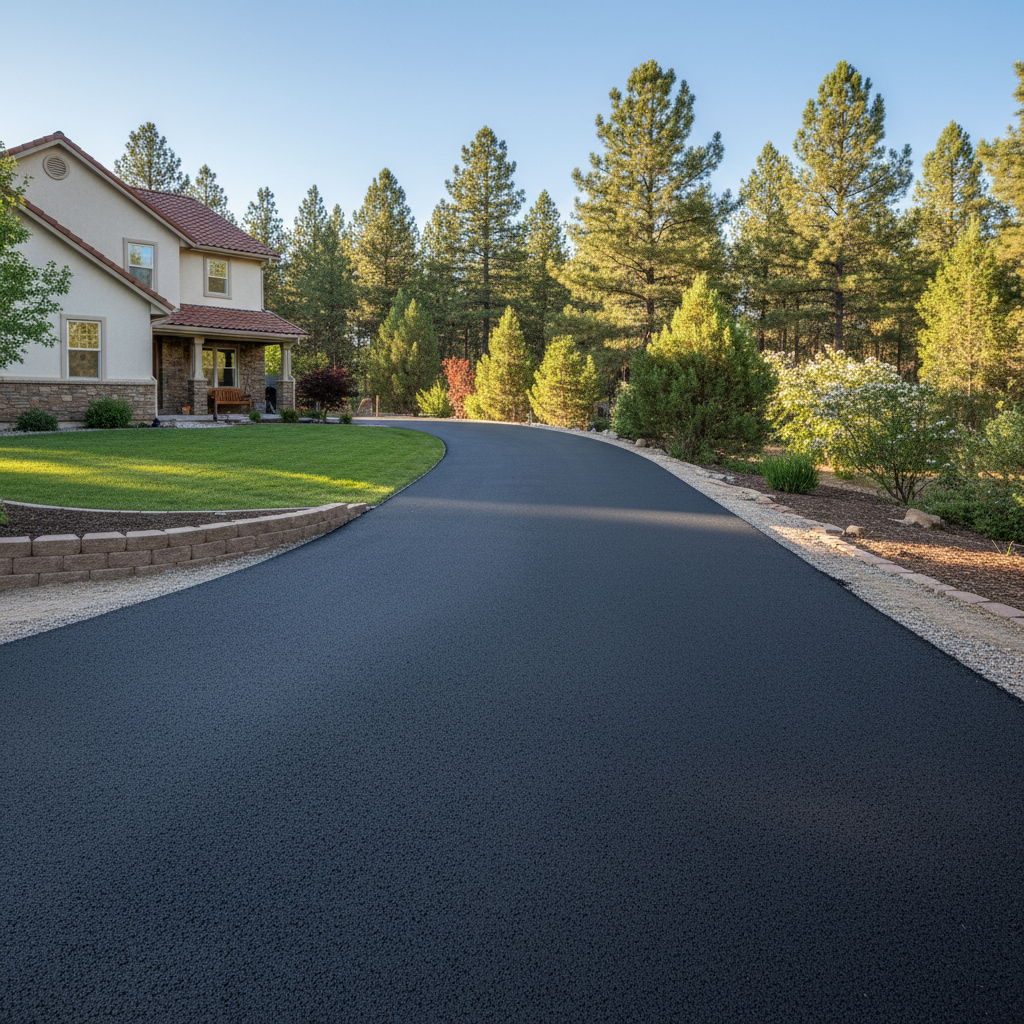
- Size and Shape: This is probably the most obvious factor. A bigger driveway means more material, naturally, and more labor. A long, winding driveway with curves will actually cost more per square foot than a straight, rectangular one. Why? Because it takes more time and precision to lay and compact the asphalt just right.
- Material Choice: Most folks choose asphalt because it's both durable and pretty cost-effective. But even within asphalt, there are different grades, and sometimes people want a thicker base or a specific mix, especially for heavy traffic. If you're thinking about concrete, well, that's a whole different ballgame and usually a lot more expensive. For asphalt, you're generally looking at 2-3 inches of compacted asphalt laid over a good, solid base.
- Site Preparation: This part is huge, especially here in Flagstaff. If your current driveway is a real mess – cracked, uneven, or has a poor base – we'll need to do more prep work. That could mean excavating old material, grading the sub-base, adding or compacting new aggregate (like crushed rock), and making sure the drainage is spot on. If we're dealing with a lot of rocky soil, which is super common up here, that excavation can take extra time and specialized equipment. A clean slate, frankly, is always easier and cheaper than a complicated tear-out.
- Drainage Needs: Water is the enemy of any pavement, period. If your property has poor drainage, we might need to install culverts, French drains, or adjust the grading to ensure water runs off your driveway and away from your house. This prevents future damage and extends the life of your investment, but it's an added cost upfront, of course.
- Accessibility: Is your property easy to get to with our heavy equipment? If we have to haul materials a long way, or if the site is tight and tricky to maneuver in, that can definitely add to labor costs.
- Permits: Depending on the scope of work and local regulations, you might need permits from the city or county. We can certainly help you figure that out, but the cost of the permit itself will become part of the project.
Typical Cost Ranges for Asphalt Driveways in Flagstaff
Alright, let's talk numbers. Based on what I've seen around town, from the older homes in Coconino Estates to the newer builds near Kachina Village, you can generally expect to pay somewhere between $4.00 to $8.00 per square foot for a new asphalt driveway. This range typically includes most of the prep work, materials, and labor for a standard residential job.
So, for a typical 500 square foot single-car driveway, you might be looking at $2,000 to $4,000. A larger 1,000 square foot two-car driveway could run you $4,000 to $8,000. Keep in mind, these are averages. If you need extensive excavation, a really thick base, or complex drainage solutions, your price could easily be on the higher end, or even exceed that range. Just something to consider.
What Should Be Included in Your Quote?
When you get a quote from Flagstaff Asphalt Construction, or really any reputable contractor, it should be pretty detailed. Here's what you want to see:
- Scope of Work: A clear description of what's being done – excavation, base material, asphalt thickness, number of layers, compaction.
- Materials: The type and quantity of asphalt, base rock, and any other materials.
- Labor: A breakdown of labor costs.
- Equipment: What machinery will be used.
- Site Prep: Details on grading, drainage, and any tear-out of old material.
- Cleanup: Confirmation that they'll remove debris and leave the site tidy.
- Warranty: What kind of guarantee do they offer on their work?
A good quote won't just be a single number. It'll show you where the money's actually going.
How to Avoid Overpaying
You want a good job at a fair price, right? Here's my advice:
- Get Multiple Quotes: Don't just go with the first guy. Get at least three detailed bids. This helps you compare apples to apples and understand the market rate.
- Ask for References: A good contractor will be happy to provide them. Call those references and ask about their experience.
- Check Licenses and Insurance: Make sure they're properly licensed and insured. This protects you if something goes wrong.
- Don't Rush: Take your time to review the quotes and ask questions. A contractor who pressures you to sign immediately? That's a red flag.
- Understand the Details: If something in the quote isn't clear, ask. You should know exactly what you're paying for.
- Beware of Lowball Bids: If one quote is significantly lower than the others, be very cautious. They might be cutting corners on materials, labor, or not including necessary steps. You often get what you pay for in this business, unfortunately.
Paving a driveway is a big investment, but a well-done one adds value to your property and makes your life easier. Do your homework, ask the right questions, and you'll end up with a driveway you're happy with for years to come.